Traumatic Brain Injury
- Home /
- Traumatic Brain Injury
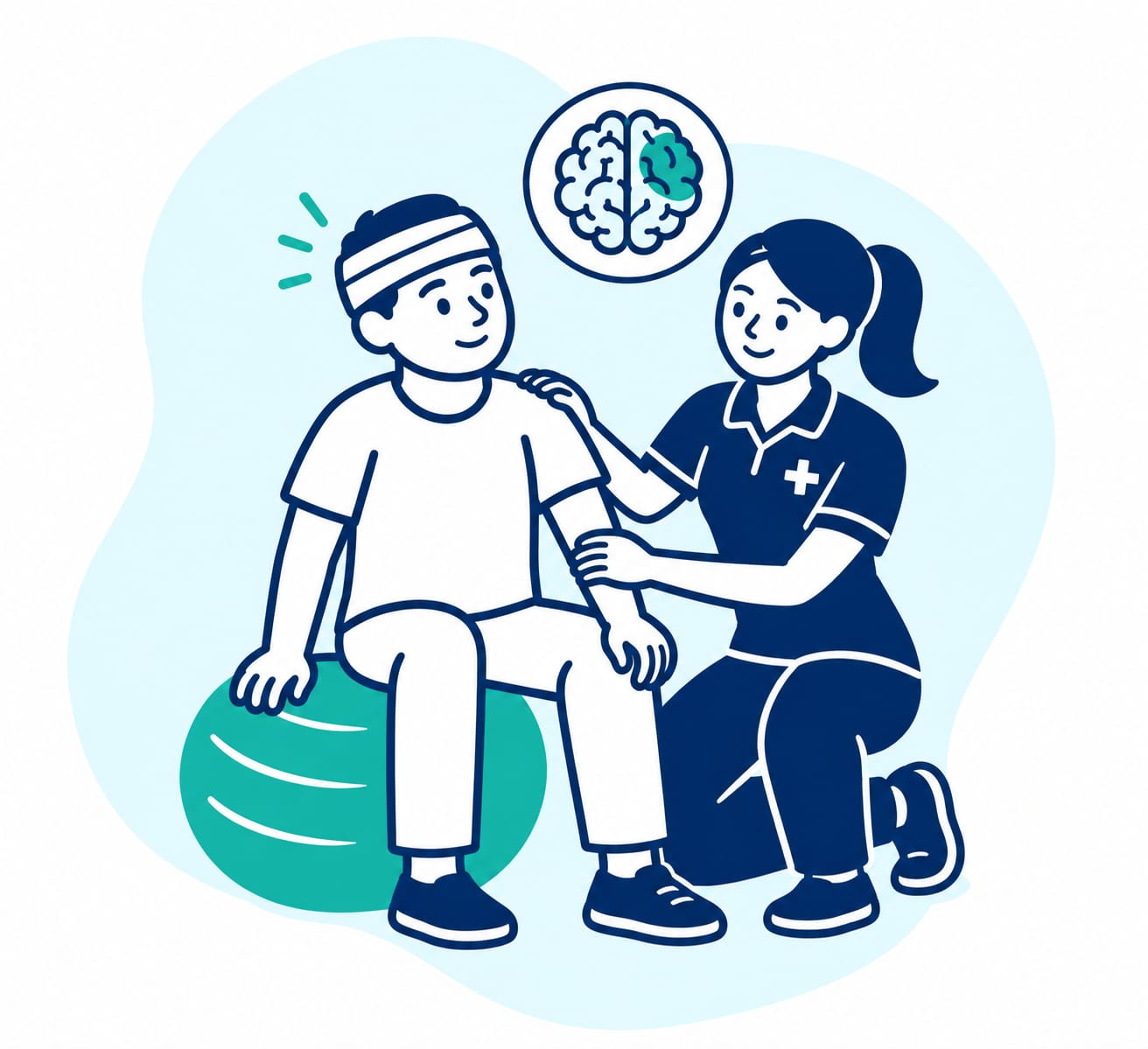
Our traumatic brain injury rehabilitation services provide specialist occupational therapy to help individuals regain physical and cognitive function, rebuild confidence and achieve greater independence in everyday activities.
What is traumatic brain injury?
Traumatic brain injury (TBI) occurs when an external force causes damage to the brain. It may result from road traffic accidents, falls, sporting injuries, workplace accidents or other traumatic incidents.
The effects can range from mild concussion-related difficulties to severe and complex neurological impairments.
TBI can affect physical abilities, memory, concentration, behaviour, emotional regulation, communication and the ability to manage everyday responsibilities.
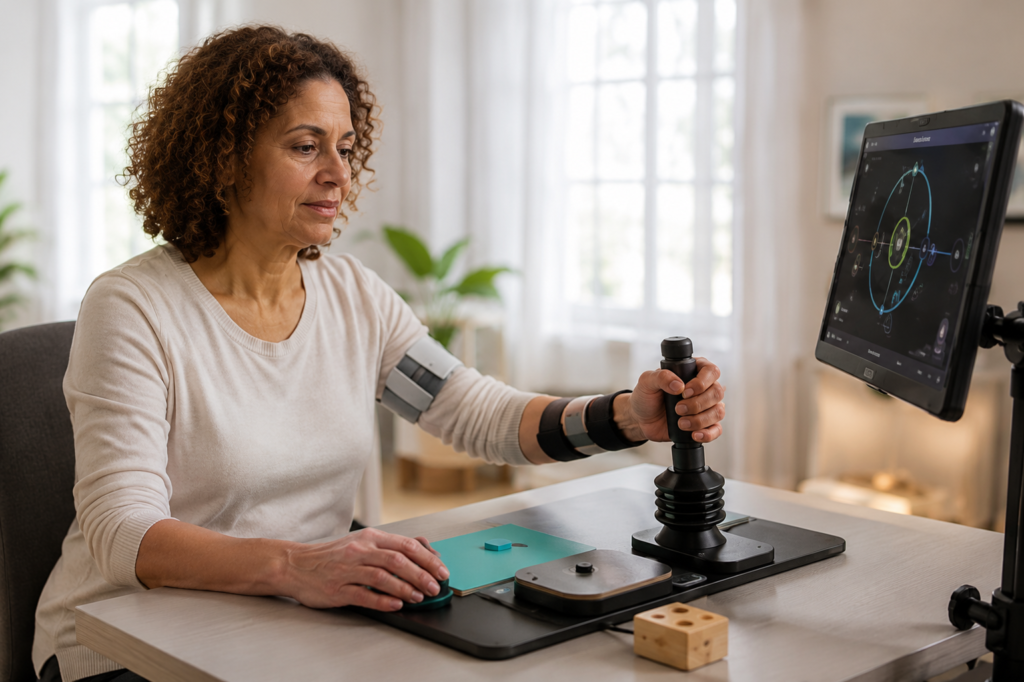
Rehabilitation focuses on improving functional abilities, developing coping strategies and supporting individuals to return to meaningful activities.
Common difficulties following TBI
Memory loss and forgetfulness.
Poor concentration and reduced attention span.
Difficulty planning and organising tasks.
Reduced problem-solving abilities.
Impaired judgement and safety awareness.
Physical weakness and reduced coordination.
Visual and perceptual difficulties.
Fatigue and reduced cognitive endurance.
Emotional regulation and behavioural changes.
Difficulty managing household and work responsibilities.
How occupational therapy can help
Our occupational therapists can provide:
- Functional cognitive assessments.
- Memory and attention rehabilitation.
- Executive function and problem-solving strategies.
- Routine development and task organisation.
- Activities of daily living retraining.
- Upper limb and functional motor rehabilitation.
- Fatigue management and pacing.
- Sensory and perceptual strategies.
- Community access and independence training.
- Environmental modifications.
- Return-to-work and vocational rehabilitation.
- Family and caregiver education.
Rehabilitation goals
The aim is to help individuals develop practical strategies to manage their difficulties, improve everyday functioning, rebuild confidence and maximise independence at home, work and in the community.